

Introduction: Unlocking Business Success in Malawi with a Solid Plan
Starting a business in Malawi, whether small or large, requires more than just passion—it demands careful planning. A well-crafted business plan is your startup’s roadmap, guiding you from the idea phase to the execution stage. It’s also crucial when seeking investment, securing a loan, or just getting your thoughts in order. In this guide, we’ll walk you through the essential steps of writing a successful business plan for your Malawian startup, ensuring that you’re equipped to thrive in the competitive entrepreneurial landscape. Whether you’re aiming to launch a tech startup, an agricultural venture, or a service-based business, this guide will offer key insights tailored to the unique Malawian market.
This comprehensive guide is brought to you by Ntchito.com, Malawi’s leading platform for careers, jobs, internships, scholarships, tenders, and more. Make sure to explore internships and local jobs for further career advancement opportunities.
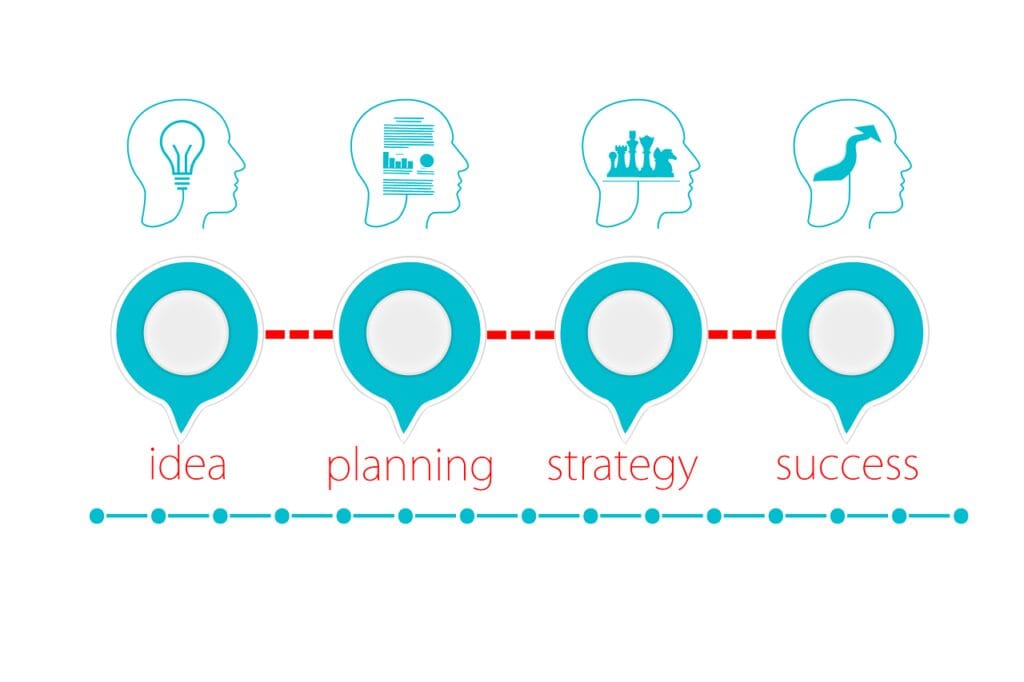
Why Every Malawian Startup Needs a Business Plan
Before diving into the specifics of writing a business plan, it’s crucial to understand why having one is vital for your Malawian startup’s success. A business plan helps:
- Clarify Your Business Idea: Helps you critically think through your business concept and its feasibility.
- Secure Financing: Investors, banks, and grant organizations will want to see a clear, detailed business plan before providing financial support.
- Guide Growth: A business plan acts as a roadmap, helping you navigate through challenges and milestones.
- Evaluate the Market: It helps you understand your competition and define your target market in Malawi.
For additional information on securing startup funding, explore business grants on Ntchito.com.
Key Elements of a Winning Business Plan
1. Executive Summary: The First Impression
Your executive summary is the first thing potential investors and partners will read, so it needs to be compelling. This section should be concise yet informative, summarizing:
- Your business idea
- Target market
- Financial projections
- Company objectives
Tip: Although this section comes first in the business plan, write it last after completing the other sections. That way, you can provide an accurate summary.
2. Company Description: Who You Are and What You Do
The company description should include:
- Company Name
- Location – Whether you’re based in Lilongwe, Blantyre, or another city, this is important for defining your market reach.
- Legal Structure – Are you a sole proprietorship, partnership, or limited liability company (LLC)?
- Mission and Vision Statements – These reflect your business values and future aspirations.
Ensure your company description is aligned with your business goals and resonates with the local Malawian market.
3. Market Research: Understanding Your Malawian Audience
In-depth market research is the backbone of a strong business plan. It allows you to understand your:
- Target Audience – Who are your customers? What are their needs?
- Industry Trends – What are the current trends in Malawi? For example, agriculture and technology sectors are booming.
- Competitive Analysis – Who are your competitors, and how can you differentiate your business?
Market research allows you to capitalize on growing opportunities in Malawi, such as those in agribusiness. Check out Agribusiness Jobs for more insights.
4. Organization and Management: Defining Leadership Roles
Investors need to know who’s steering the ship. This section outlines:
- Organizational Structure – Will your business have multiple departments, or will it be lean with just a few key people?
- Management Team – List key team members and their qualifications. Highlight any relevant experience within the Malawian business environment.
- Advisory Board – If you have experienced advisors, mention them here.
5. Products or Services: What You Offer to Malawi
Explain your products or services in detail:
- Describe Your Product or Service – Include key features and how it benefits your target audience.
- The Problem You Solve – Why is your product or service needed? Make sure to address this from a local Malawian perspective.
- Product Lifecycle – Explain how your product evolves over time and how you plan to update or expand your offerings.
This is a good time to link to potential funding opportunities in Malawi for product development. For example, explore individual grants on Ntchito.com.
6. Marketing and Sales Strategy: How You’ll Attract Customers
Your marketing strategy should focus on how you’ll:
- Reach Your Target Audience – What channels will you use? Social media, radio, or local networks?
- Pricing Strategy – How does your pricing compare with competitors in Malawi?
- Sales Process – Outline your sales funnel. How will you convert interested prospects into paying customers?
Leverage online job platforms like Ntchito.com to advertise job openings or business opportunities to attract local talent and clients.
7. Financial Projections: A Look at the Numbers
In this section, break down your financial plan, including:
- Income Statement – Projected revenue and expenses.
- Cash Flow Statement – How cash moves in and out of your business.
- Balance Sheet – Your business’s assets, liabilities, and equity.
Investors will pay close attention to this section. Make sure your financial projections are realistic, especially if you’re planning to secure funding from investors or banks. For financial insights, you can browse Accounting, Finance, and Banking Jobs in Malawi to find professionals who can assist with your financial planning.
8. Funding Request: If You Need Money, Ask for It
If you’re looking for investment or a loan, specify how much you need, what it will be used for, and how you plan to repay it. Be transparent with your funding request and align it with your financial projections.
For funding opportunities and business grants, you can refer to various options on Ntchito.com.
9. Appendix: Supporting Documents
Include any additional information that supports your business plan:
- Resumes of key team members
- Product pictures or mockups
- Licensing agreements or legal documents
Providing detailed appendices adds credibility and transparency to your business plan.
Tips for Writing a Business Plan that Works in Malawi
Understand the Local Business Environment
Malawi’s business landscape presents unique challenges and opportunities. Stay informed about the latest trends in agriculture, technology, and government initiatives by regularly browsing local job opportunities.
Keep It Realistic
Ambition is essential, but so is realism. Your financial projections, market size estimates, and product viability should reflect what’s feasible in Malawi’s current economic climate.
Regularly Update Your Plan
Your business plan isn’t a one-time document. As your business grows, update your plan to reflect changes in the market, new products, or shifts in strategy.
Engage Professional Help
If you’re unsure about any section of your business plan, consult professionals. For instance, hiring experts from Accounting, Finance, and Banking Jobs in Malawi can help solidify your financials, while marketing professionals from Communications Jobs in Malawi can assist with crafting your marketing strategies.
Conclusion: Start Your Malawian Business with Confidence
Writing a successful business plan is the first step in launching a thriving business in Malawi. This guide has provided you with the tools, tips, and strategies needed to write a comprehensive plan that will attract investors, guide your business, and set you up for long-term success. From understanding the local market to developing a solid financial plan, each step is critical for your startup journey.
Explore more career and business opportunities on Ntchito.com, Malawi’s premier platform for jobs, internships, tenders, scholarships, and business grants. Whether you’re seeking funding, team members, or just additional guidance, Ntchito is here to support Malawian entrepreneurs every step of the way.